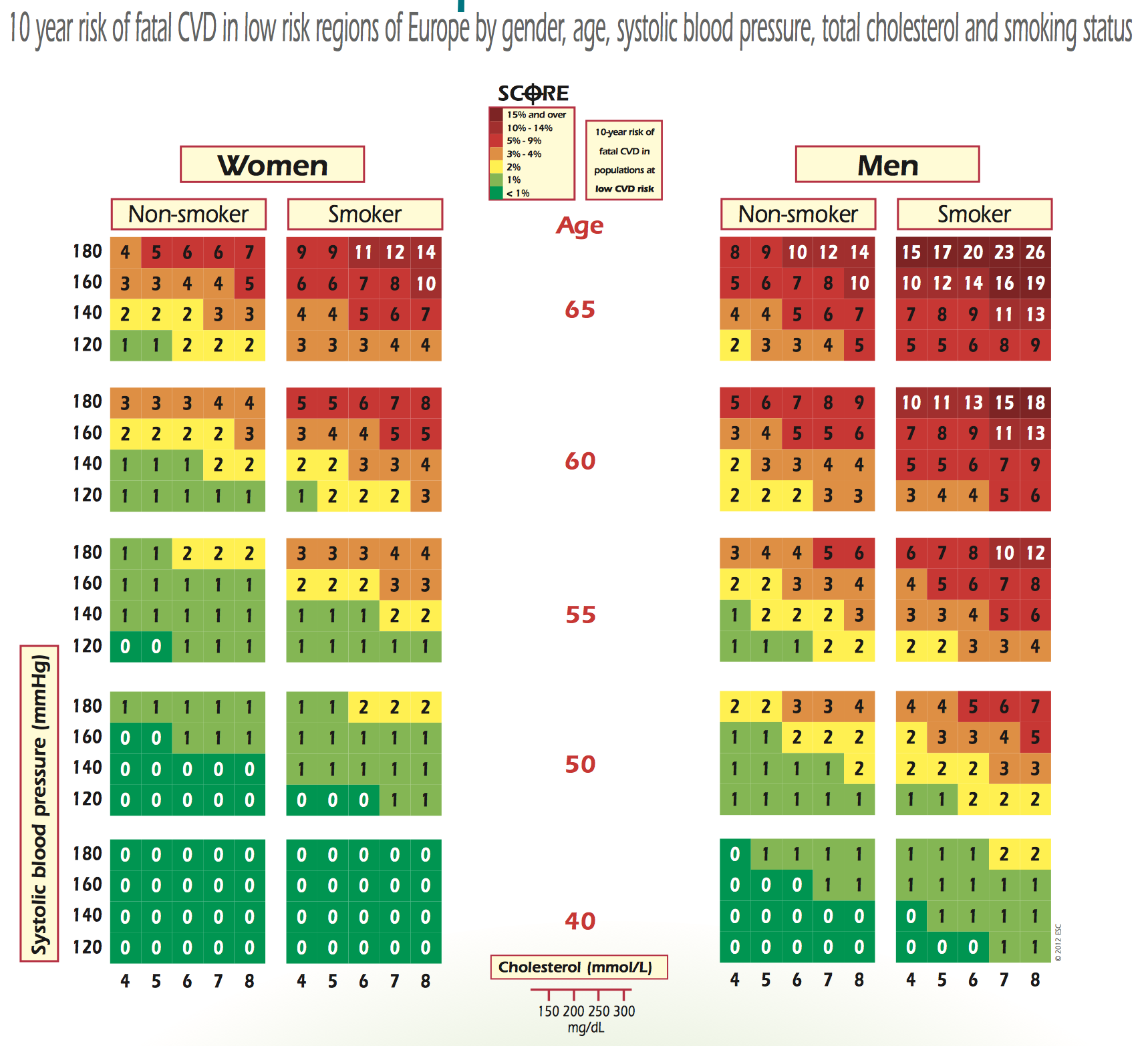

Chapter 11 discusses the risk factors, symptoms and treatments for cardiovascular disease, cancer, and diabetes. This is a very important chapter because knowing your risk factors or even your options if you do have one these horrible diseases is very crucial to your survival. Studies have shown that an overwhelming percentage of deaths in the United States are caused by cardiovascular diseases, diabetes and cancer.
Cardiovascular disease is known for its effects on the heart and blood vessels, it’s also well known for being the leading killer of U.S adults since the early 1900’s. Obesity rates have been skyrocketing every year and this is when people begin to develop other diseases such as hypertension and diabetes, which then lead to CVD. There are KEY cardiovascular diseases that people should be aware of.
Atherosclerosis- which is based on the greek words athero (gruel or paste) and sclerosis (hardness) this condition is when fatty substances, cholesterol, cellular waste products, calcium, and fibrin start to all build up in the inner lining of an artery which then has an end result of plaque. Some people refer to this disease as coronary artery disease because of the negative impact it puts on the bodies main coronary arteries which are located on the outer surface of the heart. When atherosclerosis impacts other places of the body such as the feet, calves, legs, or the arms it is then called peripheral artery disease.
Coronary artery disease- also known as atherosclerosis, people often refer this to as CAD because of the damage done to the bodies main coronary arteries on the outer surface of the heart. The arteries that are damaged are the ones that provide blood to the muscle of the heart which can lead to the majority of heart attacks since they are being blocked preventing the heart from working correctly. Circulatory parts of the body such as this one when impaired will increase the risk of reduced blood flow and will often limit the heart’s blood and oxygen supply, which is known as ischemia.
Myocardial infarction (heart attack)- a medical emergency, this is when the heart will go into shock because it’s working harder than it normally does to operate and this is because the blood supply that goes to the heart is being blocked. When the blood flow that usually goes to the heart is no longer in effect then this will lead to a lack of oxygen as well as cell death. This whole process begins with what is known as coronary thrombosis which is the formation of a clot, blocking the blood flow. If there is a blockage that is fairly small then a heart that is healthy already will adapt over time and heal on its own by enlarging other blood vessels and even growing new ones so then the blood can be delivered to the areas in need.
Other Cardiovascular Diseases
Angina pectoris- “strangling of the chest” this disease takes place when not enough oxygen is being delivered to the heart muscle which then brings a feeling of chest pain or pressure. This is not known as a heart attack, but it is known as a heart disease.
Arrhythmias- an irregularity in heart rhythm that happens when the electrical impulses that coordinate the heartbeat do not work properly.
Congestive Heart failure- due to the heart muscle being damaged this tends to result in the pumping of the blood to the heart tissues to fail. Fluids in different parts of the body such as the lungs, feet, ankles, and legs will begin to build up excessively. Other symptoms such as shortness of breath and fatigue will often be key signs of this disease as well.
Congenital and Rheumatic Heart disease- there is about 40,000 children born in the United States each year with some form of this disease. The defects may be slight murmurs, pitched sounds caused by turbulent blood flow through the heart due to valve irregularities.
CVD Risk Factors that CAN be avoided
Avoiding Tobacco smoke- Smokers are 2 to 4 times more likely to develop coronary heart disease and stroke, even if one is a social smoker it has been proven to have an major increase for the risk of CVD. If one stops smoking the heart and lungs can begin to rebuild themselves for example after 1 to 2 years the former smokers risk of heart disease will drop tremendously.
Lowering your intake of Saturated fat- Diets that are high in saturated fat/ trans fat can highly raise cholesterol levels as well as make the blood more viscous which of course can increase the rate for heart attack, stroke, and atherosclerosis. It’s very important to know the two components to cholesterol when trying to lower yours, Low-density lipoprotein (LDL) which is also known as bad cholesterol because it’s believed that it builds up on artery walls. High-density lipoprotein (HDL) known as the good cholesterol because it’s able to remove this build up on the artery walls.
My Journey
This week I have definitely improved on my process. I can that I improved because there have been many times where I was driving long distances and I did not crave a cigarette at all and that is very unusual for me because usually the time I smoke the most cigarettes is when I am driving. I noticed some things that helped me this week and what did not help at all. For one, I worked A LOT this week so it was almost impossible for me to ever smoke a cigarette because I simply did not have time. Also, my boyfriend recently quit smoking cigarettes as well and I can tell that whenever I smoke one it kind of triggers him to want one too and I do not want to be the reason that he starts up again so that is kind of a motivation for me in a sense. Things that did not help me, well of course being stressed out with the end of the semester coming, work has been very stressful, not having enough time in the day as also stressed me out which sometimes leads to me having a cigarette. Overall, I think I have done very well in my process of quitting cigarettes since I began this blog post and I can’t thank you all enough for your support and kind words 🙂