Chapter 8 discusses the value of nutrition and the impact it has on our bodies. Nutrition is very important when it comes to the human body and knowing what you put into your body is crucial for your health. This chapter brings up very important questions such as “Why does something so good ultimately end up being a problem for so many? Why does what we eat now, affect us now and in the future? What influences our eating habits, and how can we learn to eat more healthfully?” What most people are unaware of is the reason we crave for food is because when we are hungry our brains are triggered into a physiological response which leads us to seek food, this is because we know that we need the energy and nutrients to get through the daily activities of our everyday lives. Ultimately, nutrition is the science that discovers the differences between what we think we want to eat and what the primary nutrients our bodies need for survival is.
There are six groups of nutrients that our body needs, but there are four out of the six that we need the most. Our body needs a sizeable amount of water, proteins, carbohydrates, and fats but when it comes to vitamins and minerals our bodies only need a small amount. When it comes to being knowledgeable on how much our body’s need of each nutrients it is important to refer to Dietary Reference Intakes (DRIs) and these are published by the Food and Nutrition Board of the Institute of Medicine. The DRIs construct guidelines based on each nutrient needed to prevent deficiencies, reduce risk of chronic disease as well as identify maximum safe intake levels for health people.
Recommended Dietary Allowances(RDAs) – An assortment of daily nutrients suggested to 97-98% of healthy individuals.
Adequate Intakes(AIs) – An assumption of daily intake levels for the majority of healthy individuals. This is viewed when there is not enough research to reinforce an RDA.
Tolerable Upper Intake Levels(ULs) – A limited amount that a person can consume daily of nutrients before putting themselves in danger of adverse health effects.
Acceptable Macronutrient Distribution Ranges(AMDRs) – this is a range of proteins, carbohydrate, and fat our bodies consider adequate nutrition and also correlated with a reduced risk for chronic disease.
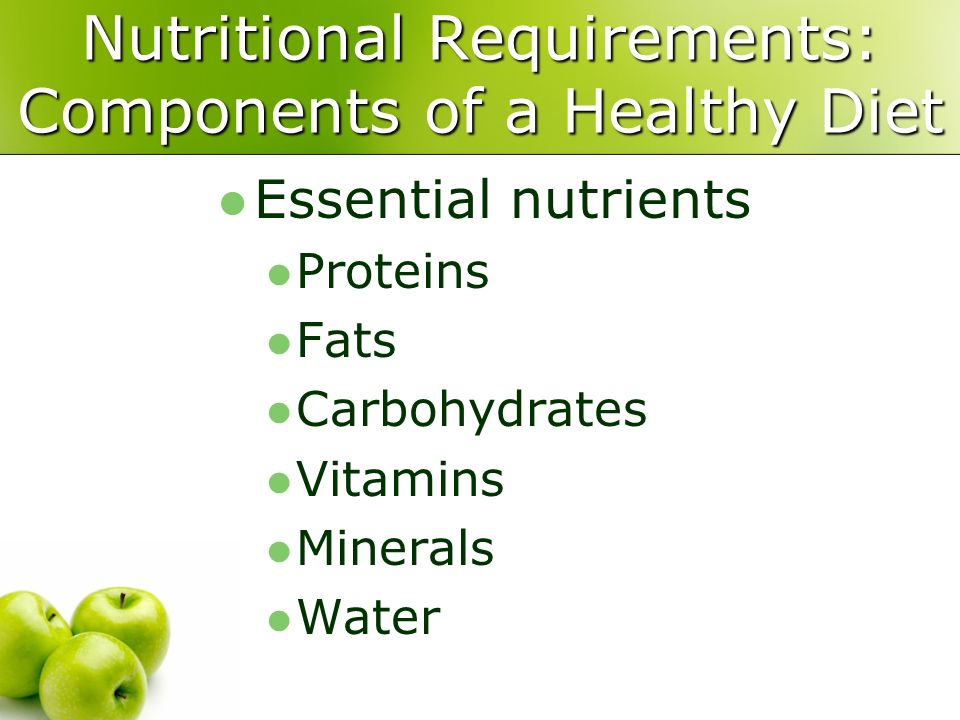
“Macronutrients”Essential Nutrients
Water: Humans cannot go 1 week w/ out water, human body consists of 50 to 70 percent water by weight, water in our system bathes cells, electrolyte balance, maintains ph balance, transports molecules/cells throughout the body, major component of blood, carries oxygen and nutrients to tissues, removes metabolic waste and keeps cells in working order.
Proteins: Known as “body builders” they help develop and repair bones, muscle, skin and blood cells, key elements of antibodies that protect us from disease, enzymes that control chemical activities in the body, and hormones that regulate body functions.
Proteins are broken down by our bodies into smaller nitrogen-containing amino acids, there are 20 altogether but 9 of the amino acids are essential because our body requires them from the diet versus the remaining 11 that our body can produce on its own.
Carbohydrates: supply us with energy we need, the body metabolizes carbohydrates more quickly leading to faster results/ quicker source for energy, converted to glucose (fueling body’s cells) significant role of internal organs, nervous system, and muscles.
Simple carbohydrates (simple sugars) – naturally in fruits, many vegetables, and dairy foods.
Complex carbohydrates (polysaccharides) – found in grains, cereals, legumes, and other vegetables.
Fats: Most energy dense, provide 9 calories per gram, major source of body’s fuel, maintains healthy skin/hair, insulates body organs against shock, maintains body temp, healthy cell function, carry vitamins A, D, E, and K to cells.
“Micronutrients” Essential Nutrients
Vitamins: organic compounds, promote growth, help maintain life/health, maintain nerves/skin, produce blood cells, builds bones/teeth, heal wounds, convert food energy to body energy, and cannot be absorbed without minerals.
Fat soluble is taken in by the intestinal tract with the help of fats VS. Water soluble which is dissolvable in water.
Minerals: inorganic, indestructible elements, aids physiological processes within the body, readily excreted and usually not toxic.
Major minerals our body requires – sodium, calcium, phosphorus, magnesium, potassium, sulfur and chloride.
Trace minerals- iron, zinc, manganese, copper, fluoride, selenium, chromium and iodine. (Our bodies can only have very small amounts of these minerals or will result in serious issues.
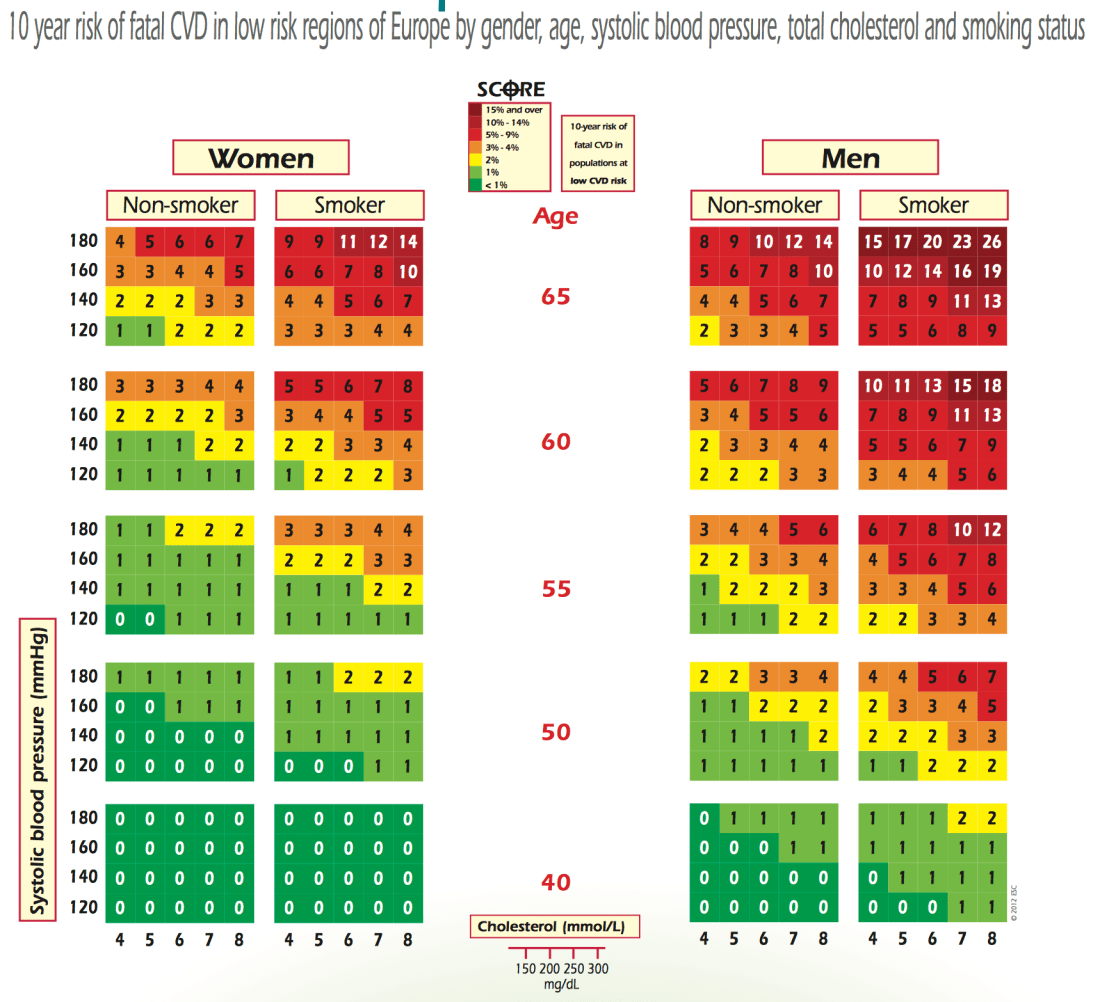
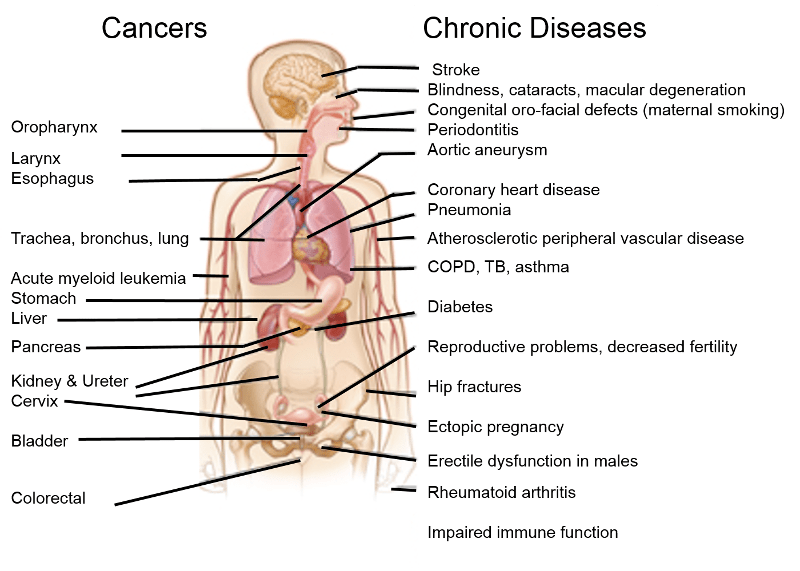
Update on my journey: This week has been a lot more productive for me, I recently just started a second job which is in the medical field and I couldn’t be more thrilled since this is the career path I am hoping to follow. This isn’t my first job in the medical field but something I always notice when I go back to the medical field is that it really does cut back on my urge to smoke a cigarette. Watching some of the patients come in and seeing first hand and having it right in front of my face what cigarettes have done to their health honestly, just scares the hell out of me. When I drive I tend to “chain smoke” cigarettes which I am not sure if anyone is familiar with that term but basically it means you just keep smoking one after another and yes it is disgusting. I haven’t quite changed what I am doing to stop myself from smoking from last week because I really found it to be working. I distract myself every time I crave a cigarette, I find it to be really beneficial not only to reaching my goal but in bettering my confidence.

Wednesday October 31st, 2018.