Chapter 15 Responsibility for Your Health Care

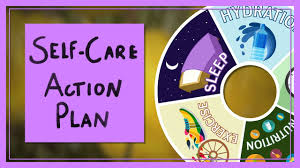
Self-Care is one of the most important factors when it comes to maintaining your health, and it is also very overlooked by many. Self-care means practicing behaviors that promote health and prevent disease, it can minimize your reliance on the formal medical system. Self-care means knowing your body, paying attention to its signals and as well as taking appropriate action to stop the progression of illness or injury.

These are some common types of self-care

-Diagnosing and treating common conditions by yourself (such as a cold or a short bout of the stomach flu)

-Proper use of over-the-counter remedies to treat minor and infrequent pain or other symptoms

-First aid for common, uncomplicated injuries

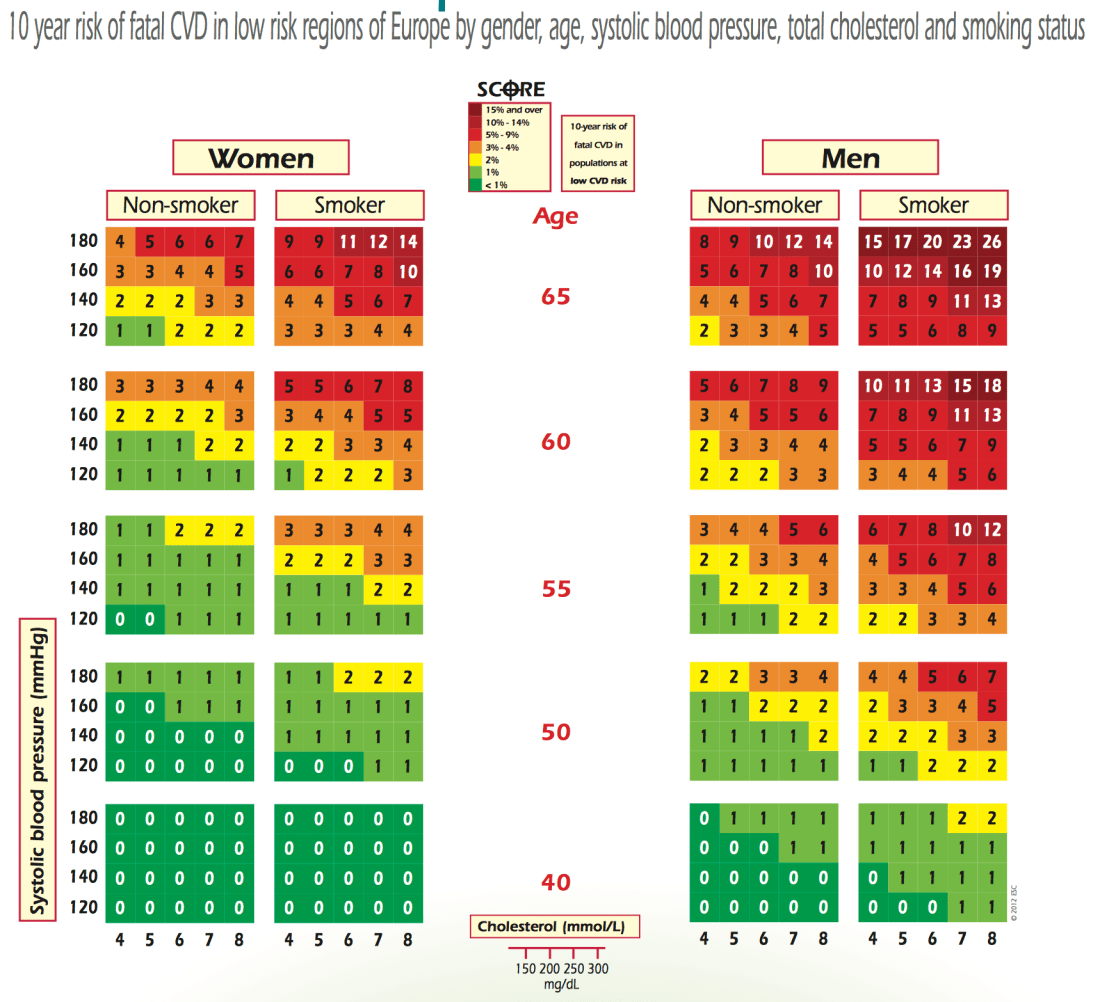
-Routine medical appointments for checking blood pressure, blood lipids, and blood glucose levels.

-Assessing health care information resources and using only reputable self-help books or websites to guide your health decisions.

-Eating a healthy diet, getting enough rest, and utilizing stress-reducing techniques such as meditation.
download (1).jpeg

Even though it is good to know yourself and your body and to know when self-care is necessary its also important to know when to seek help. Conditions when you should consult a doctor include, an accident or injury that includes extreme bleeding, swelling, redness or inability to use the injured body part, sudden or severe chest pain, trauma to the head, trauma to the spine accompanied by persistent headache and blurred vision, sudden high fever, tingling or numbness in the face or arm accompanied by slurred speech, muscle weakness, mental confusion, shortness of breath, hives, dizziness that develops after taking a specific drug, unexplained sudden weight loss, persistent or recurrent diarrhea or vomiting, blue colored lips, eyelids, or nail beds, any lump, and pregnancy.

The placebo effect is an apparent cure or improved state of health seemingly brought by a substance, for example say that someone thinks they have ADD and one group is given an actual medication that can improve their awareness and then the other group is given a substance that contains no form of any drug that will help them but they are told otherwise, and then both groups show an increase in awareness and alertness. This is proof of an placebo effect, because the group that began to act more alert who was given a fake pill for ADD only began to act differently because they were told that this medicine would indeed help them, so ultimately their own brain tricked them into thinking they were effected by this pill. There is also something called the nocebo effect and in this case the patient will come to a treatment situation with certain health issues they may have and they will have expectations on how they are going to be negatively effected during this treatment. The health professional may give the patient such a bleak assessment of the problem that the patient experiences anxiety, pain, and poor outcomes. Currently researchers are investigating how and why the expectation of a treatments effect can change a patients experience.

It is always very important to know the medicine you are being prescribed or over the counter drugs you are choosing for yourself.

Prescription Drugs- The use of these drugs has increased steadily over the past decade, it is shown that over 49 percent of Americans report having used one or more prescription drugs in the previous 30 days and more than 11 percent of Americans have used five or more. Generic drugs are medications that are sold under their chemical name rather than a brand name, they still contain the same active ingredients as brand-name drugs but they are less expensive.

Medications Online: Buyer Beaware- Some consumers may choose to have their prescriptions filled online for their own convenience and the fact that it may save them money. It is important to know which sites sell their drugs legally and which ones do not. Look out for sites that sell drugs that are unapproved or potentially may be counterfeit drugs and also sites that sidestep practices meant to protect consumers.

Over-the-counter (OTC) Drugs- These drugs are used for self-medication (which can relate back to self-care) these drugs do not need a prescription. American consumers spend billions of dollars yearly on OTC prescriptions for relief of everything from running noses to ingrown toenails. It is commonly believed that all of these drugs are safe to use but what is overlooked is that some people do choose to misuse these drugs, just like any other drug. It is important to know the side effects of OTC drugs, pain relievers can be useful for counteracting localized or general pain and for reducing fever. The possible side effects of this medication include stomach problems ranging from simple upset to worsening of ulcers and liver damage with prolonged overused.

My Final Journey Update

Hey guys! So the final post is not exactly what I want it to be but let me tell you all that I am so proud of how far I have come since I started writing these blog posts. I never thought that writing something like this and talking about with strangers would allow me to start the process of quitting this disgusting habit I have developed. I now know my weaknesses and my strengths when it comes to wanting that one cigarette, and I have this blog post to thank. All of the kind words you have all given me through this process have helped me tremendously and I can’t thank you enough. I hope that after this blog post I will be able to continue to quit and I honestly don’t have a doubt in my mind that I will be able too. Good luck to the rest of you in your journeys and I hope that you guys continue to make progress, just as I would like too.

28279786_10215886859426910_1032741580861079552_n.jpg

Chapter 14 Environmental Health

Global temperature has been on the rise and what many people are unaware of, is how badly this really can be. Former President Obama mentioned this and how it shows a trend, 2015 and 2016 were the hottest years ever recorded in North America and in many different regions of the world. Some of the reasons that this is can be so dangerous for our planet is it can effect the human population as well as the animal population such as fish, birds, amphibians, and reptiles. In the last 40 years we have lost about 58% of these animals. Reason being for this devastating loss is due to the polar ice caps melting at rates that defy even the direst predictions and the threats of rising sea levels loom.

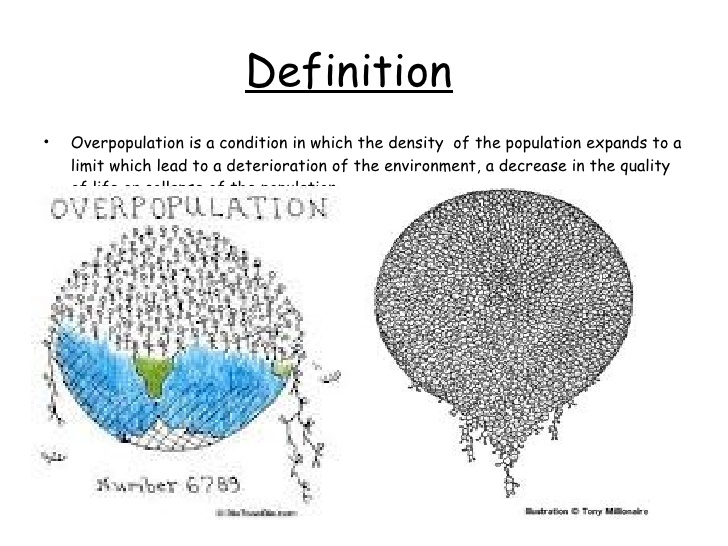
Population growth has been on the rise in many different areas of the earth, and there are key factors that have influenced this population growth such as changes in fertility and mortality rates. For many countries the fertility rate has dropped which means that for some countries, the population will actually decrease. The countries that are among those of whom are shrinking are Japan, Italy, and South Korea. The countries that are in the most impoverished areas will continue to have a population increase, due to a rise in fertility. Population growth is not the only factor to blame when it comes to humans demands on the earth because as the population growth continues, so does our need for resources. As experts continue to study the carry capacity of the earth, they are seeing that its the largest population that can be supported indefinitely. One of the biggest concerns is when will the time come that we will be unable to restore the balance between humans and nature? Predictions show that by the year 2030 it will take the equivalent of two planets to meet the demand for resources, and by the year 2100, we may need more than four planets to support human needs (which is a very scary idea to think about) Our planet is running out of natural resources which us humans need to survive and with the unprecedented rate, its hard to know what steps our planet needs to take to prevent this.

urban-growth-and-overpopulation-2-728.jpg

There is plenty of evidence that shows the effects of unchecked population growth is everywhere.

Impact on other species- the changes in the ecosystem are resulting in the mass destruction of many species and their habitats. An outstanding number of 477 vertebrae species have gone extinct since 1900 which means that its declining over 100 times faster than normal rates of extinction.

Impact on ecosystems- aquatic ecosystems are heavily contaminated by chemical and human waste. Our oceans are 30 percent more acidic than they were just 200 years ago, which is due to human-generated pollutants and the increase in carbon dioxide in the atmosphere which then some of it is absorbed into the ocean.

Impact on the food supply- When it comes to fishing the amount of times it happens is 250% faster than the fish are able to regenerate, this leads to scientist projecting that a global collapse of all fish species is going to happen by 2050 and that will lead to major food shortages.

Land degradation and contamination of drinking water- The availability of freshwater is declining rapidly, and contaminated water remains the greatest single environmental cause of human illness. Unsustainable land use and climate change are increasing land degradation which includes erosion, toxic chemical infiltration, nutrient depletion, deforestation and other issues.

Energy consumption- Based on total population use, the United States is the largest consumer of liquid fossil fuels and natural gas and among the top four consumers of nuclear power, coal, and hydroelectric power.


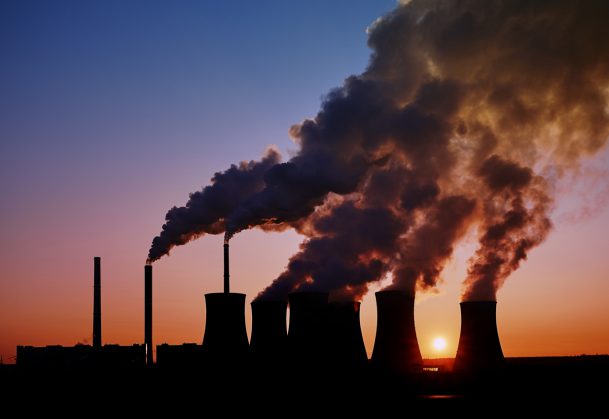
Air pollution mean the presence of substances not found in perfectly clean air. Wonder why our earth gets polluted? well it’s due to natural events, living creatures, and toxic by-products and this has always been the case. There are six among the most widespread air pollutants that have been proven to seriously affect health and they are sulfur dioxide, particulates, carbon monoxide, nitrogen dioxide, ground-level ozone and lead. Photochemical smog is also a major factor when it comes to air pollution, smog is a brownish haze produced by the photochemical reaction of sunlight with hydrocarbons, nitrogen compounds and other gases in vehicle exhaust. This smog can sometimes be called ozone pollution. Air Quality Index (AQI) is a measure of how clean or polluted the air is on any given day and if there may be any health concerns when it comes to the current air quality and this is because the AQI focuses on health effects that can happen within a few hours or days after breathing polluted air. Acid deposition which has been known as acid rain is a wet and dry acidic components that fall to the earth.

Air pollution can cause many different health effects and a common one is asthma, this a long term chronic inflammatory disorder that causes tiny airways in the lung to spasm in response to triggers. The rates of people developing asthma has increased in the last 20 years and many people point fingers/blame the increasing pollution rates (poor and nonwhite communities have been put to blame more than others) and other things that are put to blame for this are triggers such as dust mites in mattresses, chemicals in carpets and furniture and also airtight modern buildings.

Update on my Journey

This week I had a bit of a slip up and noticed that I was buying more packs of cigarettes then the week before this was due to me going out a lot and partying with my friends because whenever I do drink alcohol it does trigger my want for a cigarette. What I did to help myself was continuously smoke my juul (which I know is not the greatest substitute) and preoccupy myself with a different activity, which like I said before always helps me out. This chapter actually really can relate to my goal because I contribute to polluting the air with my cigarette smoke “Environmental Tobacco Smoke” whenever I have a cigarette around someone who does or doesn’t smoke I am creating a dangerous environment for them and giving them secondhand smoke. These types of factors decrease my want for a cigarette and help me realize the damage I am not only doing to myself, but to others as well for example the people I care for the most such as my friends and family.

31880775_10216487713647890_6509349217163542528_n.jpg


Chapter 13 Violence and Unintentional

Violence is often described as the intentional use of physical force, or power, threatened or actual against ones self, another person or even against a group or community that results in or has a high likelihood of resulting in injury, death, psychological harm, and deprivation.

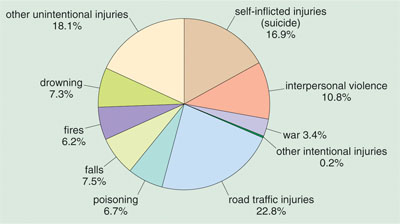
Unintentional Injuries are those who committed an act of violence without intent to harm. One of the most common cases of unintentional injuries are motor vehicle crashes. Homicide which is most commonly known as “murder” or “non-negligent manslaughter” has been shown to be the thirteenth leading causes of death in the United States, although when it comes to people between the ages of 15 to 24 it is the second leading cause of death. Depending on ones socioeconomic status, location, gender, and ethnicity unfortunately have a major impact on how crime will personally effect you.


non_comm_session7_fig1.jpg

Violence in schools has risen, and that can be seen just by turning on the TV and watching the news nowadays. About 56% of crimes against college students happened on campus. There are many different reasons for why crimes occur on campus, political demonstrations, interpersonal violence, and mental health issues are currently on the rise at college campuses. Relationship violence can either be noticeable and prevented as well as a hidden problem on college campuses. Factors that increase the likelihood of violent acts are societal factors, religious beliefs and differences, community contexts, political differences, breakdowns in the criminal justice system and stress, depression and any other kind of mental health issues.

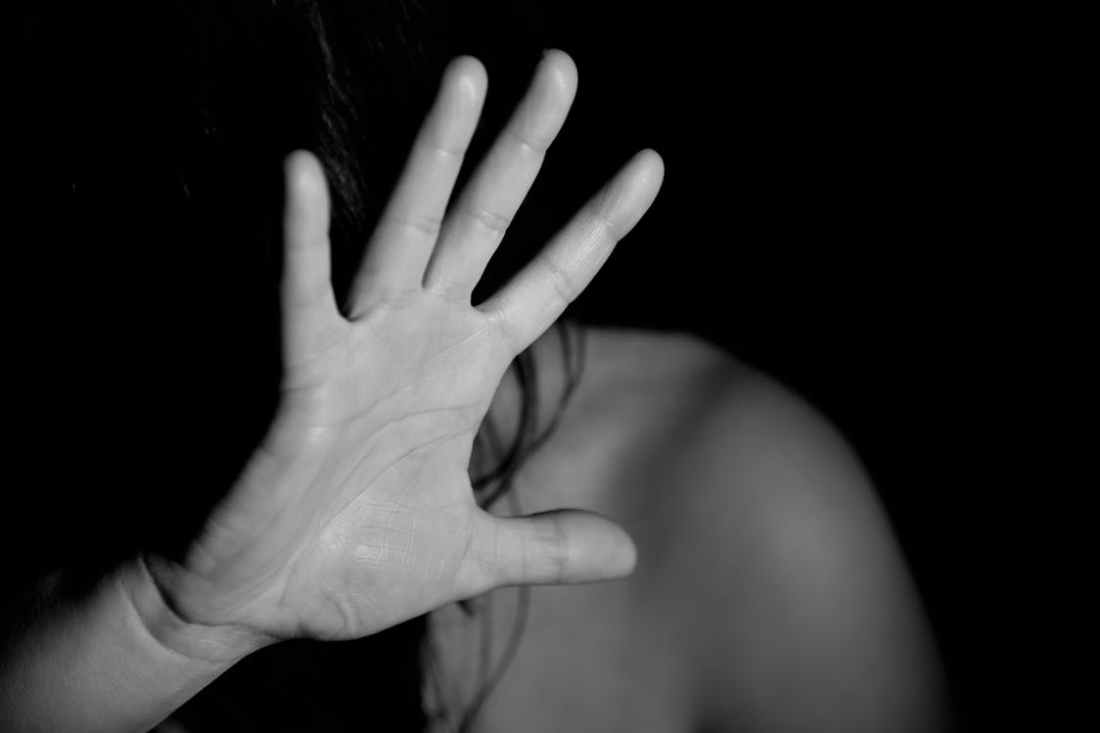
Domestic Violence can be a major issue when it comes to violence in a family, this type of violence refers to the use of force to control and maintain power over another person in the home environment. These types of violent situations may happen between a parent and a child, between spouses, siblings, intimate partners, or any family members. It can involve emotional abuse, verbal abuses, threats of physical harm and physical violence which can be anywhere from slapping and shoving to beatings, rape and homicide. There is a cycle of violence and this cycle consists of three major phases.

  1. Tension building- this phase comes before the overtly abusive act and includes breakdowns in communication, anger, psychological aggression and violent language, growing tension and fear.
  2. Incident of acute battering- this stage, the batterer usually is trying to “teach her a lesson” but when he begins to feel like has inflicted pain to the point where he is in charge then he will stop. When this attack is over, he most likely will respond with shock and denial about his own behavior or he may even begin to blame the woman for “making” him do it.
  3. Remorse/ Reconciliation- this is referred to as the “honeymoon” period, the batterer will act as if they are kind, loving, and apologetic, swearing that he or she will never act violently again and will work to change their behavior. Although when something comes back up that triggered an attack before, the cycle of violence will start over.

Sexual Violence is an act in which one person is sexually intimate with another person without having the other persons consent. This assault can range from touching to forceful penetration and examples of this are ignoring indications that intimacy is not wanted, threatening force or other negative consequences and actually using force. Unfortunately there are some contributors that can lead to sexual violence which can come from societal assumptions and traditions.

  • Trivialization- it is often shown that people think that rape committed by a husband or intimate partner does not count as rape.
  • Blaming the victim- in spite of efforts to combat this type of thinking. there is still the belief that a scantily clad woman “asks” for sexual advances.
  • Pressure to be macho- Males are taught from a young age that showing emotions is a sign of weakness. This portrayal often depicts men as aggressive and predatory and females as passive targets.
  • Male socialization- many people still believe that “boys will be boys” and being sexually predatory is natural for men. Women are often objectified which is described as “sexual objects” in the media which contributes to this conception of male behavior.
  • Male misperceptions- media often implies that sex is the focus of life, so it comes to no surprise that some men believe that when a women says no, she is really signaling that she wants to be seduced which is not the case.
  • Situation factors- dates in which the male makes all the decisions, pays for everything, and generally controls the whole situation they are more likely to end in an aggressive sexual scenario. Alcohol and other drugs will increase the risk and level of danger for this type of situation to occur.


My journey…

I have been doing really well this week, I think that I have cut back enormously and have noticed that there will be times when I am driving (which I said before is my biggest problem) and I won’t have one cigarette. Also another reason I think that I have been able to put cigarettes on the back burner is because of money. I have noticed how much money I really spend on cigarettes and how much I am costing myself, there will be days where I am so confused on why I am running out of money but then I look down and see that empty pack and realize I need another one and then remind myself that, that is where my money is going. I still smoke, but I am getting closer and closer to my goal of quitting.

23032371_10214744627551827_8393008282141677004_n


Chapter 12: Infectious Conditions

There are many different ways that someone can catch an infectious condition and normal day activities can even be the cause for some. As our world has adapted to change we have been lucky enough to be able to survive these infectious conditions because wayback it was more than likely that you would die when catching an infection. An endemic is an infectious disease that is present at expected prevalence rates in pretty much all different parts of the world. An epidemic is when the disease begins to rise and the endemic numbers become higher than expected. A global epidemic or commonly known as pandemic can be very dangerous for example in the early 1900’s influenza killed more than 20 million people in many countries.

Infection, Risk Factors, and the Role of Mindfulness

It’s easy to be careless when going on with your everyday life because let’s face it, most of us think we are untouchable but there are certain steps you can take to avoid catching infectious diseases.

Preventing Pathogens from Entering the Body– pathogens can enter the body in many different ways, direct contact from an infected person, indirect contact which can be touching an object that an infected person has touched, autoinoculate yourself which means touching an uninfected part of your body after touching an infected part. Being aware of your surroundings, always washing your hands, and being aware of who you are in contact with can decrease your chances of infecting yourself.

Risk Factors You Can Control- limiting your stress, good nutrition, staying active, good amount of sleep, keeping up with your hygiene, making changes in your community by cleaning up toxins, setting policies on contaminant levels and reducing the likelihood of exposure to pathogens or toxins.

Even though there are ways to control risk factors there are also some risk factors you can’t control.

  • Heredity
  • Aging
  • Environmental conditions
  • Organism virulence and resistance.

How does our immune system work?

If an antigen that is foreign enters the body (does not belong there) our body will immediately begin to defend itself. Antibodies begin to form during this process and depending on the antigen entering the body the antibodies will match to the specific antigen. The Humoral immune response system is the bodies main defense against many bacteria and different poisonous substances which are known as toxins.

What happens when the Immune System Misfires: Autoimmune Diseases?

Although our immune response is usually on point and works in our favor just like anything else it can make mistakes and ends up targeting a tissue of it’s own because it suspects that it’s an enemy. Autoimmune disease is when the antibodies all team up and work against that tissue and attempt to destroy it. Research shows that there about 80 different types of autoimmune disease which have been reported to be either chronic, debilitating and life threatening.

Key Bacterial Infections: Staph, Strep, Meningitis, Pneumonia, TB, and Tick-borne Diseases

Staphylococcal Infections- commonly found on the skin or in the nostrils of most people pretty much whenever and will create no issues. Unless there is a cut or a break in the epidermis, or outer layer of the skin, then the staphylococci can then enter the system leading to an infection.

Streptococcal Infections- There are about five types of this infection which are broken into different groups, Group A are the most common diseases such as strep throat and scarlet fever, Group B known for causing illness in newborns, pregnant women, older adults, and adults with illnesses such as diabetes or liver disease.

Meningitis- an infection and inflammation of the meninges, the protective membranes that surround the brain and the spinal cord. Some forms can be contagious and can even spread through contact.

Pneumonia- a general term for a range of conditions that result in inflammation of the lungs and difficulty breathing. Can be characterized by chronic cough, chest pain, chills, high fever, fluid accumulation and eventual respiratory failure.

Tuberculosis- known for being a very deadly infectious disease, the common symptoms are persistent coughing, weight loss, fever and spitting up blood. People who are at high risk for catching this disease are among the poor, children, and the chronically ill, people in prisons and homeless shelters who continuously inhale infected air.

Tick-borne Bacterial Diseases- Lyme disease is a major threat to pets and humans in many different regions of the U.S and the symptoms range from none (which can be freighting) to a rash or bull’s eye lesion and flu like symptoms, chronic arthritis, blindness, and long-term disability.

Viral Infections: Mono, Hepatitis, Herpes, Mumps, Measles, and Rubella. These types of infections branch from viruses but the thing is viruses are incapable of carrying out any life processes on their own so they must invade a host in order to reproduce themselves. When the virus is successful invading the host, it will then inject its DNA and RNA into it leading to it taking over, forcing the cell to make copies of itself which contains this virus.

Sexually Transmitted Infections (we all talk about them and we all know what they are)

Knowing the routes of transmission is VERY important to be educated on. STIs are generally spread through some form of intimate sexual contact.

  • Vaginal Intercourse
  • Oral-genital contact
  • Hand-genital contact
  • Anal intercourse

Sexually Transmitted Infections

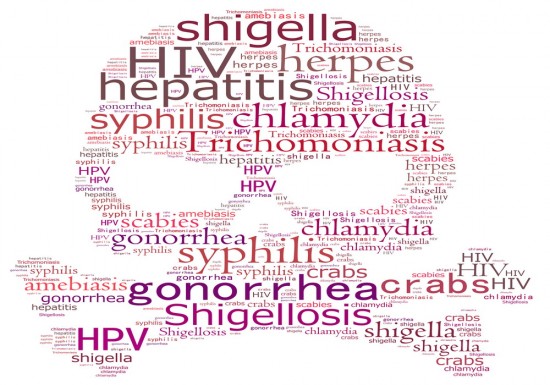
  • Chlamydia-infection caused by bacterium Chlamydia trachomatis and typically does not show any symptoms and also is the most common reported STI in the United States.
  • Gonorrhea- caused by bacterial pathogen Neisseria gonorrhoeae, typically infects the linings of the urethra, genital tract, pharynx, and the rectum. This disease can even spread to other parts of the body by the hands or through body fluids but typically during vaginal, oral, or anal sex. This disease is also on the rise in the United States.
  • Syphilis- caused by a bacterium, the spirochete Treponema pallidum. Nearly wiped out a decade ago but has been an epidemic rise in the U.S in the recent years. There are four different types of this disease, Primary syphilis- the first stage and is particularly for men, Secondary syphilis- the infection is left untreated, secondary symptoms may appear a month to a year after the chancre disappears, Latent syphilis- after the secondary stage if the infection is left untreated then it begins to invade the body organs which causes lesions called gummas, Tertiary/late syphilis- this is years after the syphilis has entered the body and the effects become all to evident if it’s still untreated.


My Health Journey

This week has been a lot easier for me because like I said last week I have been so busy with work and what not that I don’t even have time to smoke a cigarette. I’m not gonna lie I still have a cigarette here and there but definitely not as much when I started writing this blog post. One specific thing that I noticed that helped me this week was being around my friend Sabrina a lot, she lives on the cape with me and is sadly leaving to move back home on Friday and so I have been trying to spend every minute I can with her. Why I say that it helped being with her is because she takes her health very seriously and since we have become so close she is concerned for mine because of me smoking and whenever I’m with her we talk about why I want to quit and what steps I’m taking and it really does help me. Knowing that someone really does care enough to talk to me about it and what struggles I’m having with quitting, especially someone who’s never even smoked a cigarette in her life. I am getting closer and closer guys! 🙂

37011780_10217076275801576_2121878414485880832_n

Chapter 11

Chapter 11 discusses the risk factors, symptoms and treatments for cardiovascular disease, cancer, and diabetes. This is a very important chapter because knowing your risk factors or even your options if you do have one these horrible diseases is very crucial to your survival. Studies have shown that an overwhelming percentage of deaths in the United States are caused by cardiovascular diseases, diabetes and cancer.

Cardiovascular disease is known for its effects on the heart and blood vessels, it’s also well known for being the leading killer of U.S adults since the early 1900’s. Obesity rates have been skyrocketing every year and this is when people begin to develop other diseases such as hypertension and diabetes, which then lead to CVD. There are KEY cardiovascular diseases that people should be aware of.

Atherosclerosis- which is based on the greek words athero (gruel or paste) and sclerosis (hardness) this condition is when fatty substances, cholesterol, cellular waste products, calcium, and fibrin start to all build up in the inner lining of an artery which then has an end result of plaque. Some people refer to this disease as coronary artery disease because of the negative impact it puts on the bodies main coronary arteries which are located on the outer surface of the heart. When atherosclerosis impacts other places of the body such as the feet, calves, legs, or the arms it is then called peripheral artery disease.

Coronary artery disease- also known as atherosclerosis, people often refer this to as CAD because of the damage done to the bodies main coronary arteries on the outer surface of the heart. The arteries that are damaged are the ones that provide blood to the muscle of the heart which can lead to the majority of heart attacks since they are being blocked preventing the heart from working correctly. Circulatory parts of the body such as this one when impaired will increase the risk of reduced blood flow and will often limit the heart’s blood and oxygen supply, which is known as ischemia.

Myocardial infarction (heart attack)- a medical emergency, this is when the heart will go into shock because it’s working harder than it normally does to operate and this is because the blood supply that goes to the heart is being blocked. When the blood flow that usually goes to the heart is no longer in effect then this will lead to a lack of oxygen as well as cell death. This whole process begins with what is known as coronary thrombosis which is the formation of a clot, blocking the blood flow. If there is a blockage that is fairly small then a heart that is healthy already will adapt over time and heal on its own by enlarging other blood vessels and even growing new ones so then the blood can be delivered to the areas in need.

Other Cardiovascular Diseases

Angina pectoris- “strangling of the chest” this disease takes place when not enough oxygen is being delivered to the heart muscle which then brings a feeling of chest pain or pressure. This is not known as a heart attack, but it is known as a heart disease.

Arrhythmias- an irregularity in heart rhythm that happens when the electrical impulses that coordinate the heartbeat do not work properly.

Congestive Heart failure- due to the heart muscle being damaged this tends to result in the pumping of the blood to the heart tissues to fail. Fluids in different parts of the body such as the lungs, feet, ankles, and legs will begin to build up excessively. Other symptoms such as shortness of breath and fatigue will often be key signs of this disease as well.

Congenital and Rheumatic Heart disease- there is about 40,000 children born in the United States each year with some form of this disease. The defects may be slight murmurs, pitched sounds caused by turbulent blood flow through the heart due to valve irregularities.

CVD Risk Factors that CAN be avoided

Avoiding Tobacco smoke- Smokers are 2 to 4 times more likely to develop coronary heart disease and stroke, even if one is a social smoker it has been proven to have an major increase for the risk of CVD. If one stops smoking the heart and lungs can begin to rebuild themselves for example after 1 to 2 years the former smokers risk of heart disease will drop tremendously.

Lowering your intake of Saturated fat- Diets that are high in saturated fat/ trans fat can highly raise cholesterol levels as well as make the blood more viscous which of course can increase the rate for heart attack, stroke, and atherosclerosis. It’s very important to know the two components to cholesterol when trying to lower yours, Low-density lipoprotein (LDL) which is also known as bad cholesterol because it’s believed that it builds up on artery walls. High-density lipoprotein (HDL) known as the good cholesterol because it’s able to remove this build up on the artery walls.

My Journey

This week I have definitely improved on my process. I can that I improved because there have been many times where I was driving long distances and I did not crave a cigarette at all and that is very unusual for me because usually the time I smoke the most cigarettes is when I am driving. I noticed some things that helped me this week and what did not help at all. For one, I worked A LOT this week so it was almost impossible for me to ever smoke a cigarette because I simply did not have time. Also, my boyfriend recently quit smoking cigarettes as well and I can tell that whenever I smoke one it kind of triggers him to want one too and I do not want to be the reason that he starts up again so that is kind of a motivation for me in a sense. Things that did not help me, well of course being stressed out with the end of the semester coming, work has been very stressful, not having enough time in the day as also stressed me out which sometimes leads to me having a cigarette. Overall, I think I have done very well in my process of quitting cigarettes since I began this blog post and I can’t thank you all enough for your support and kind words 🙂


22886055_10214743471722932_8110146652276982061_n


Chapter 10: FITNESS

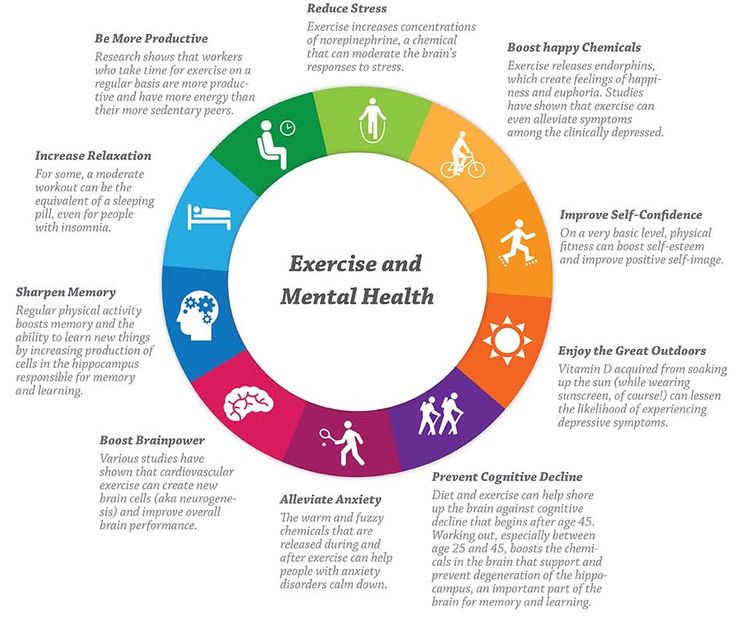
Chapter 10 is all about fitness and the physical, social, and mental health benefits that physical activity will bring to their everyday lives. What most people are uneducated about when it comes to being physically active is that it promotes their self-esteem and can control their stress (which most people wish for everyday). It has been shown that about 25.9 percent of American adults do not engage in any physical activity which is leading to the current high rates of obesity, type 2 diabetes, and other chronic and mental health diseases.

DYwmYVxV4AAuzh8


What seems to be misconstrued when it comes to the topic of Physical activity is that it really does not take much. Physical activity by definition means- any body movement that works your muscles, uses more energy than is used when resting, and enhances health. Physical activity does vary in it’s intensity and depending on the person and their current health, they may have to start off slow and that is okay because after time they will be able to progress in their intensity level of physical activity (which is why it’s so important to keep pushing yourself). There are 3 different categories when it comes to physical activity.

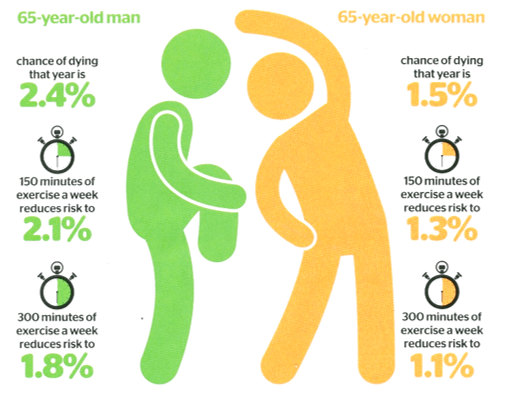
Physical Activity for Health– Adding physical activity to ones day can promote their overall health. Sedentary is known an activity that expends no more than 1.5 times the resting energy level while seated or reclined. Sedentary time has it’s own independent effect on disease and mortality. With regular exercise and higher levels of physical activity, your body is able to protect you against disease and premature death.

Physical Activity for Fitness– This refers to a set of health- and performance- related attributes such as (cardio-respiratory fitness, muscular strength and endurance, flexibility, and body composition) this allows us to perform moderate- to vigorous-intensity physical activities on a regular basis without getting too tired and still having remaining energy to deal with our everyday life needs.

  • Cardio-respiratory Fitness- is the ability of the heart, lungs, and blood vessels to supply the body with oxygen efficiently.
  • Muscular Strength- refers to the amount of force a muscle or group of muscles is capable of exerting in one contraction.
  • Muscular Endurance- the ability of a muscle or group of muscles to exert force repeatedly without fatigue or the ability to sustain a muscular contraction.
  • Flexibility- refers to the range of motion, or the amount of movement possible, at a particular joint or series of joints and when it greater range of motion, the greater the flexibility.
  • Body Composition– this describes the relative proportions and distribution of fat and lean tissues in the body which can be listed as muscle, bone, water, and organs.

Physical Activity for Performance– When it comes to athletes and their performance, there are certain attributes they can practice to help improve when performing their athletic tasks. These attributes can also help non athletes increase their fitness levels and the ability to perform their everyday tasks.

When it comes to the health benefits of ones physical activity and their exercise, there are many different positive outcomes they can improve on. Many do not think that being physically activity everyday can promote their health but they are wrong, here are some of the results of being physically active regularly..

Reduced Risk of Cardiovascular Diseases, Reduced Risk of Metabolic Syndrome and Type 2 Diabetes, Reduced Cancer Risk, Improved Bone Mass and Reduced Risk of Osteoporosis, Improved Weight Control, Improved Immunity, Improved Back Strength, Improved Mental Health and Stress Management, and Longer Lifespan.

Benefits-of-physical-activity_The-Health-Sciences-Academy1


By just being physically active regularly you are improving and reducing your risks for all these health related diseases, just think about that? All it takes is some time of your day and just being active and it could be just walking to class but taking that longer route or walking up that hill but being able to challenge yourself more and more each day. When you start to become more active you will able to see what works best for you and what does not and eventually you will be able to make a fitness plan for yourself. You may be told what works best for others and then you try that out thinking it will work for you as well and when you do not then it will discourage you. Understanding what works best for you and having your own physical fitness goals will help you continue to be motivated.

Being able to set your SMART goals is very important when understanding what you really want to accomplish out of your physical fitness goals. The SMART system is specifically for you, and only you because they are measurable, action-oriented, realistic, and time-oriented but all regarding to one individual person.

The FITT principle is not to different from the SMART goals because once again, it relates because to specifically one persons ability. This component is broken down into the following elements,

  • Frequency– how often you must exercise.
  • Intensity-how hard your workout must be.
  • Time/Duration– how many minutes or repetitions of an exercise are required per session.
  • Type– the kind of exercise performed.


My weekly health goal update 11/14/18- This week was not what I wanted it to be, and it all relates back to the stress I have been having and how I am letting it effect me mentally and physically. I definitely did not do well on my smoking goal but I can still say that I have improved since I began this blog post. This past week, I had a almost four panic attacks total whether it was regarding family, friends, school, work, or financial troubles and there were certain days where I just couldn’t handle the pressure and the stress anymore and unfortunately this week more frequently than not I resorted to smoking a cigarette (which in the end NEVER makes me feel better) One thing I took away from this week was not to stress so much over the things that are out of my control but also it’s really hard when you get rid of one stress and start to feel good but then another one is added on and this week it just felt I wasn’t catching break which seems to be more often than not. My goal for next week is to not let that one stress lead me to lighting that cigarette because the end result is not doing anything for me.

15578601_10211681430333811_3940507330950199703_n

Here is my picture of myself being VERY stressed out.

Chapter 9

Chapter 9 is all about weight management and body image and what factors may lead to the increasing rise of obesity in the United States, then leading to the health effects that come with being overweight and obese. It is important that we know what our body weight is and how much our body should consume when eating. Dietary programs, supplements, and expectations are very often mislead so it is equally important to be educated on what is healthy for us. Unfortunately, not everyone is aware of the harm they may be causing their body when they do not follow the right steps that are best for them and their health. Many Americans suffer with considering drastic weight- loss measures, trying to gain weight, understanding and improving their body image, disordered eating (anorexia nervosa, bulimia nervosa, and binge eating) and exercise disorders.

The United States has the highest proportion of obesity in the world ranking at 13 percent and then is followed by China and India, of whom together make up 15 percent which obviously is not much higher than Americas percentage which is 13 percent alone. The youth is where the problem of obesity begins, having easy access to a vast array of high-fat, high-calorie food; have fewers physical education requirements in schools and in high-crime areas they have restricted amounts of times that they are allowed outside which is leading to one of the highest percentages of obesity than ever before. It is proven that 55 percent of obese children will continue to be obese in their adolescence years, and 80 percent of obese adolescents will also continue obesity in their adult years.

The Races and their Obesity percentages

-Hispanic men (79.6 percent)

-Non- Hispanic white men (73 percent)

-Non-Hispanic black men (69 percent)

-Non-Hispanic black women (82.2 percent)

-Hispanic women (77.1 percent)

-Non-Hispanic white women (63.7 percent)

-Asian men (46.6 percent) Asian women (34.6 percent)

The United States is not the only country that is alone with the obesity epidemic. Obesity has in fact more than doubled globally since 1980 ranking at a 1.9 billion overweight and 600 million obese adults. This can be referred to as globesity, the global epidemic of high rates of overweight and obesity in multiple regions of the world. Marketing plays a major role in the rise of obesity, advertising food thats are high in fat, carbohydrates, and an increase in the food energy supply.

Physiological Factors

Basal metabolic rate (BMR)- the minimum rate at which the body uses energy when working to maintain basic vita functions (healthy BMR 1,200 to 1,800 calories per day)

Resting metabolic rate (RMR)- including BMR as well as any energy expended through daily sedentary activities such as food digestion, sitting, studying, or standing.

Exercise metabolic rate (EMR)- accounts for all the remaining daily calorie expenditures such as walking, climbing stairs, and mowing the lawn.

Environmental Factors

-Automobiles, remote controls, and desk jobs which lead us to sit more and move less.

-Media messages, advertising for low-price, high calorie foods, and super sized portions.

-Eating out more, consuming too many prepackaged, high-fat meals, fast food, sugar-laden soft drinks, and high-calorie coffee drinks.

– Misleading food labels confuse consumers about portion and serving sizes.

Physiological and Economic Factors

-Friends and loved ones are often key influences to our eating behaviors

-Young adults who are overweight and obese tend to befriend and date overweight and obese people just as smokers or exercisers tend to hangout with the same people.

-Possible to gain or lose weight on the basis of social undermining of weight-loss attempts.

-Socioeconomic status, people in poverty can have less access to fresh, nutrient-dense foods and will go for less expensive, high-calorie processed food.

-Working multiple jobs, traveling, working odd hours may lead to someone being too tired to prepare a healthy well nutrient meal.

Knowing your eating habits, and your eating triggers is very important when it comes to your overall health. Eating triggers may go very overlooked and nearly 66 percent of American adults all share one common eating trigger, being in front of a TV or a computer. The unawareness of how much you are eating is what makes eating while being distracted very dangerous, and if gone unnoticed it will increase ones health-risk factors. If someone is trying to fix their diet and increase their health, one of the biggest triggers whether it is good or bad is the support they receive; friends, relatives, community resources, and policies that support healthy food choices and exercise options.

Update on me.

This week has actually been a lot better, I have noticed that I have not been smoking so much and I think that the second job I just got really contributes to this because I NEVER leave the office for anything, unless it is for my lunch break. One thing that really started to bug me about smoking this week is how many times I may be missing out on something because I am going outside to smoke a cigarette while everyone else is still inside enjoying themselves and that really started to get to me this past week. I have noticed throughout this whole journey that the one thing that is really pushing me to want to quit is that I want my mother to quit as well. I think whats helping me a lot through this and what I thought about a lot this past week is my overall health and what I am doing to my body and how young I am. I have come to realize that I no longer want this addiction to be apart of my life because I know that I am worth more. This my prime time to quit and I am only getting closer everyday.

22894433_10214743460882661_4058303661792808558_n.jpg


Chapter 8: Nutrition

Featured

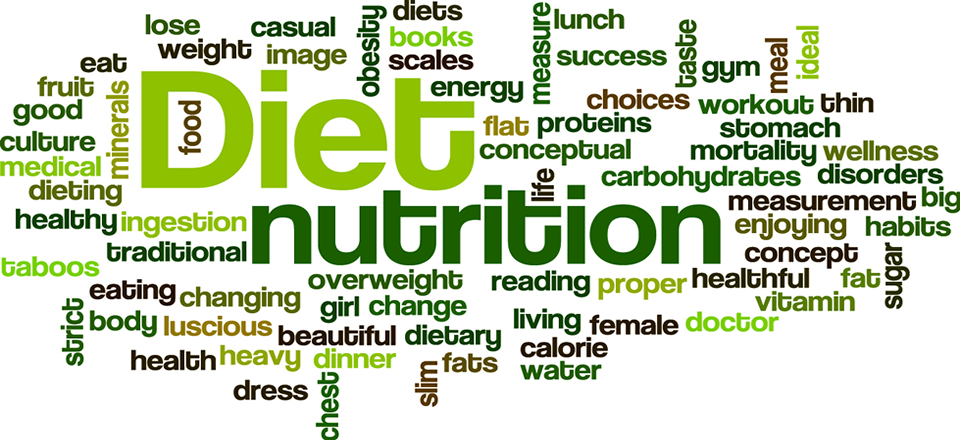
Chapter 8 discusses the value of nutrition and the impact it has on our bodies. Nutrition is very important when it comes to the human body and knowing what you put into your body is crucial for your health. This chapter brings up very important questions such as “Why does something so good ultimately end up being a problem for so many? Why does what we eat now, affect us now and in the future? What influences our eating habits, and how can we learn to eat more healthfully?” What most people are unaware of is the reason we crave for food is because when we are hungry our brains are triggered into a physiological response which leads us to seek food, this is because we know that we need the energy and nutrients to get through the daily activities of our everyday lives. Ultimately, nutrition is the science that discovers the differences between what we think we want to eat and what the primary nutrients our bodies need for survival is.


nutrition-2


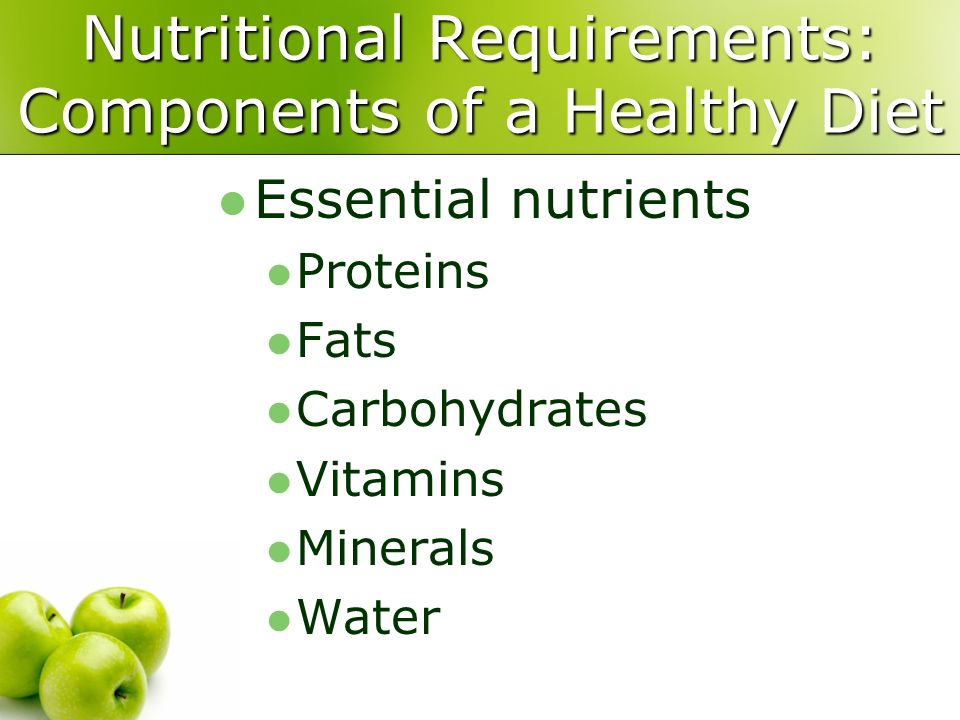
There are six groups of nutrients that our body needs, but there are four out of the six that we need the most. Our body needs a sizeable amount of water, proteins, carbohydrates, and fats but when it comes to vitamins and minerals our bodies only need a small amount. When it comes to being knowledgeable on how much our body’s need of each nutrients it is important to refer to Dietary Reference Intakes (DRIs) and these are published by the Food and Nutrition Board of the Institute of Medicine. The DRIs construct guidelines based on each nutrient needed to prevent deficiencies, reduce risk of chronic disease as well as identify maximum safe intake levels for health people.

Recommended Dietary Allowances(RDAs) – An assortment of daily nutrients suggested to 97-98% of healthy individuals.

Adequate Intakes(AIs) – An assumption of daily intake levels for the majority of healthy individuals. This is viewed when there is not enough research to reinforce an RDA.

Tolerable Upper Intake Levels(ULs) – A limited amount that a person can consume daily of nutrients before putting themselves in danger of adverse health effects.

Acceptable Macronutrient Distribution Ranges(AMDRs) – this is a range of proteins, carbohydrate, and fat our bodies consider adequate nutrition and also correlated with a reduced risk for chronic disease.


Nutritional+Requirements_+Components+of+a+Healthy+Diet


“Macronutrients”Essential Nutrients

Water: Humans cannot go 1 week w/ out water, human body consists of 50 to 70 percent water by weight, water in our system bathes cells, electrolyte balance, maintains ph balance, transports molecules/cells throughout the body, major component of blood, carries oxygen and nutrients to tissues, removes metabolic waste and keeps cells in working order.

Proteins: Known as “body builders” they help develop and repair bones, muscle, skin and blood cells, key elements of antibodies that protect us from disease, enzymes that control chemical activities in the body, and hormones that regulate body functions.

Proteins are broken down by our bodies into smaller nitrogen-containing amino acids, there are 20 altogether but 9 of the amino acids are essential because our body requires them from the diet versus the remaining 11 that our body can produce on its own.

Carbohydrates: supply us with energy we need, the body metabolizes carbohydrates more quickly leading to faster results/ quicker source for energy, converted to glucose (fueling body’s cells) significant role of internal organs, nervous system, and muscles.

Simple carbohydrates (simple sugars) – naturally in fruits, many vegetables, and dairy foods.
Complex carbohydrates (polysaccharides) – found in grains, cereals, legumes, and other vegetables.

Fats: Most energy dense, provide 9 calories per gram, major source of body’s fuel, maintains healthy skin/hair, insulates body organs against shock, maintains body temp, healthy cell function, carry vitamins A, D, E, and K to cells.

“Micronutrients” Essential Nutrients

Vitamins: organic compounds, promote growth, help maintain life/health, maintain nerves/skin, produce blood cells, builds bones/teeth, heal wounds, convert food energy to body energy, and cannot be absorbed without minerals.

Fat soluble is taken in by the intestinal tract with the help of fats VS. Water soluble which is dissolvable in water.

Minerals: inorganic, indestructible elements, aids physiological processes within the body, readily excreted and usually not toxic.

Major minerals our body requires – sodium, calcium, phosphorus, magnesium, potassium, sulfur and chloride.

Trace minerals- iron, zinc, manganese, copper, fluoride, selenium, chromium and iodine. (Our bodies can only have very small amounts of these minerals or will result in serious issues.  

Update on my journey: This week has been a lot more productive for me, I recently just started a second job which is in the medical field and I couldn’t be more thrilled since this is the career path I am hoping to follow. This isn’t my first job in the medical field but something I always notice when I go back to the medical field is that it really does cut back on my urge to smoke a cigarette. Watching some of the patients come in and seeing first hand and having it right in front of my face what cigarettes have done to their health honestly, just scares the hell out of me. When I drive I tend to “chain smoke” cigarettes which I am not sure if anyone is familiar with that term but basically it means you just keep smoking one after another and yes it is disgusting. I haven’t quite changed what I am doing to stop myself from smoking from last week because I really found it to be working. I distract myself every time I crave a cigarette, I find it to be really beneficial not only to reaching my goal but in bettering my confidence.

22853452_10214743456922562_8251777614321253356_n

Wednesday October 31st, 2018.

Chapter 7: Alcohol and Tobacco

When I first saw what chapter 7 was about my first thought was “I wonder if any of my classmates are thinking of me because of the tobacco aspect and my health goal!” 

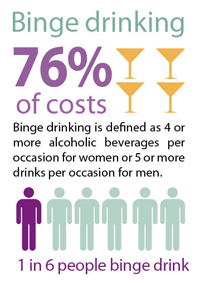
Chapter 7 may be relatable for the majority of us college students. One of the biggest struggles college students face when moving into college is balancing their academics and their social life. Let’s face it, college life is very different then being in high school because you’re finally on your own and away from home but for some the freedom can be very dangerous “For some students, independence is symbolized by alcohol use” It has been reported that 40% of college students partake in binge drinking and it is more than likely that most students who drink may be unaware that they are binge drinking and may not even know what it is. Someone may only drink once a week but if they consume 4-5 or more drinks that one time they drink, that is considered to be binge drinking so of course it is better that people are educated. College students are more on the spectrum to evolving alcohol related problems and particularly because of the new environment they are in. Traditional celebrations encourage drinking within the student population, particularly pregaming can be dangerous although it is known to be a common thing that people do before going to a club, sporting event, etc.  When pregaming some may decide to have drinking games which can also be very dangerous, students are less likely to monitor their drinking and become intoxicated quickly at a dangerous level. When consuming a large amount of alcohol in such little time, this can increase ones risks for alcohol poisoning, violent acts, passing out, driving drunk, aggression, unintended sexual activity, and forced sexual activity. Students who drink regularly may start to notice a fall in their academic performance as well, their sleep gets disrupted and their REM sleep is decreased which leads to a decrease in their alertness and can negatively affect their academic performance. Some colleges are putting in more effort to try and put a stop to student drinking, having help available to students whom believe they may have a drinking problem and this is called “Brief Alcohol Screening and Intervention for College Students (BASICS)” plus some colleges also offer online help for students struggling. Overall, the drinking stigma on college campuses will more than likely always be an issue but it is relieving to see the help that is becoming available.

alcoholconsumption_b200px

Tobacco Use in the United States

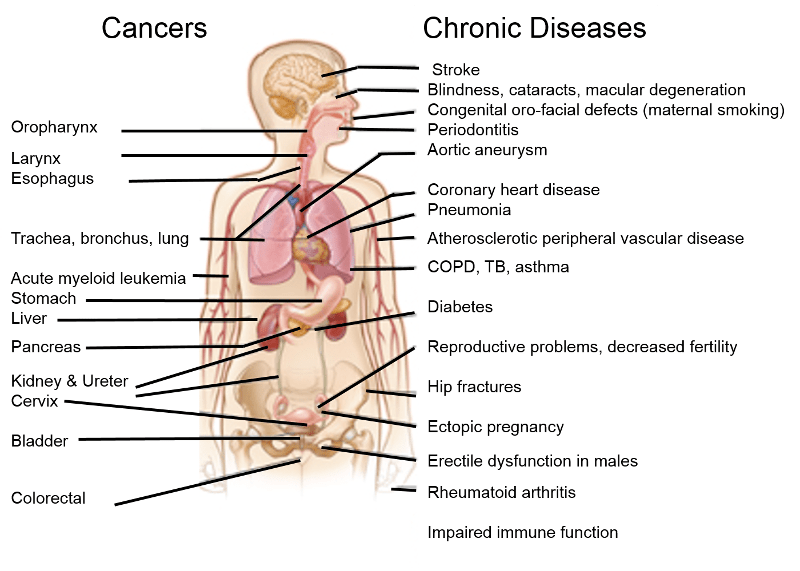
Nicotine Addiction is unfortunately a very common addiction in most Americans, walk down the street and count the amount of people you see smoking some type of nicotine device or cigarette and you will be shocked of course me being one of those smokers /: Nicotine can cause very uncomfortable effects with just that first puff and this is known as nicotine poisoning these symptoms include dizziness, lightheadedness, rapid and erratic pulse, clammy skin, nausea, vomiting, and diarrhea and I can tell you first hand from experience this is 100000000% accurate. Nicotine for some can be very mind altering, it is known to have its physical effects but its psychological effects are equally just has bad. The psychological aspect can even lead some ex-smokers vulnerability to sensory stimuli or environmental cues years after they have quit. Problems that some smokers have with quitting is the weight aspect, nicotine is an appetite suppressant and can increase the basal metabolic rate. When someone lights a cigarette, their metabolism increases and then it will return to normal so when a smoker quits their metabolic rate will slow down and soon their appetite will return and for some smokers this may prevent them from quitting because they enjoy not eating as much as they typically would. The financial burden that smoking puts on us smokers is honestly depressing to think about, knowing how much money I spend or have spent on cigarettes is crazy. It has been shown that annual costs attributed to smoking in the United States are estimated somewhere between $289 billion and $333 billion. When it comes to college students and smoking, men have a higher rate of smoking (13 percent) when a survey was composed and students were asked how many of their peers have smoked cigarettes they estimated about 75% students had smoked in the past 30 days. Males also have a higher rate of using cigars and smokeless tobacco. College students smoke for the obvious reason to relax or reduce stress (I know thats why I did) other reasons are, weight control, fitting in and addiction. Students may classify themselves as social smokers and only smoke when they are out on the weekends, personally from experience I remember being very annoyed with social smokers because they would smoke all your cigarettes, constantly ask you for one but then they were the ones during the week criticizing you for smoking. Smoking has countless harmless effects on the human body such as increasing heart rate and respiratory rates, constricting blood vessels which leads to higher blood pressure because ones heart is working harder to pump the blood through narrowed vessels. New products have been put on the market that promote a healthier smoking but still that has it’s negative effects on the human body. Unfortunately smoking has become a very normal trend within americans and guilty myself, they are very addicting and trying to quit may be one of the hardest things I have ever had to do.

Effects-ActiveSmoke

So, that leads me to my progress during this week..

I still have a cold this week, not as bad but it is still there so I have really noticed that the best thing I got out of being sick is being less intrigued to have a cigarette because it honestly causes me pain. Also reading this chapter and hearing all the side effects, I mean of course I was aware of the harm I am doing to my body and I always have been but reading it can be really difficult and overwhelming. Some things I have noticed that have been working for me this week is everytime I crave a cigarette, I will do something else to occupy my time and not just anything but something that will give me that productive feeling so I feel even better about not having that cigarette and then eventually it will become a habit. Going to bars or going out with friends that I know smoke cigarettes is still a very big struggle when it comes to me trying to quit because there are a large amount of triggers around me but that is something I just have to overcome in this process. Overall, as I say every week I really am not where I want to be at the current moment but I am trying and that’s what is most important to me in this journey.

IMG_6304

Also, side note I really appreciate everyone’s supportive words even when I don’t have a productive week of quitting cigarettes. You guys are the best and I can’t thank you enough for all of your support.


Chapter 1: What is health?

Can you imagine living in a world where diseases and illness were never spoken of until they occured? This was reality before our time and no one ever considered the possible diseases that may appear nor did they have them in mind. Chapter 1 analyzes how much our health system has improved, once it became obvious that the health system was not improving that is when research began. When examining someone that was ill, researchers began to factor in where they were from and if they were poor. Once these researchers started to dig deeper than just physical aspects regarding ones health they realized that there was so much more to consider “Over time, public health officials began to recognize and address other forces affecting human health, including hazardous work conditions, negative influences in the home and social environment, stress, unsafe behavior, diet, and sedentary lifestyle.”

Everyone’s adaptability to health is different and understanding that can be easier when broken down into the six interrelated dimensions

  • Physical health- This includes the shape and body sizes of individuals, how responsive one is, how active one may be, and also our susceptibility to disease and disorders. The newer definition includes simple tasks such as being able to get out of bed, bending over to test flexibility, testing someone’s memory/being able to write their own name, etc.
  • Social health- Being able to interact with others and the ability to maintain interpersonal relationships with your family, friends, and co-workers. Ones acceptance to receiving and giving love in their life is essential to their social health.
  • Intellectual health- Having a clear mindset and being able to make healthy and rational decisions so when faced with life challenges one can effectively use their brain power. Have the ability to accept, adapt, consider and having interest in new things.
  • Emotional health- It is very important for one to have a good sense of themselves and knowing when or when it isn’t appropriate to express their emotions. Having a good head on your shoulders, being confident, self-esteem, self-efficacy, trust and love all factor into ones emotional health.
  • Spiritual health- Knowing that you have a purpose in your life and this can be the cause of believing in an higher power, religion, culture or whatever it is or even if it is nothing but being able to experience peace, contentment and explore what life is all about and showing respect to the living/non-living things that surround you.
  • Environmental health- This last dimension is being able to consider and recognize the impacts of where you live has on your health. Considering the hazards in your environment and protecting yourself from them.

When considering and including these six dimensions of health one can get to know themselves better because they begin to realize their strengths and weaknesses and where they may need improvement in their health.

Health in the United States

The U.S has dramatically increased its survival rates within the last century, because of new discoveries we have made that were unavailable to those who lived in the 1900’s. Compared to the last century if one was to get ill it was very likely that they were not going to make it due to the lack of resources we have now. Since then we have discovered vaccines, antibiotics, advances in medications, diagnostic technologies, surgery and cancer treatments and this improvement has of course increased the life expectancy. Although what amazes me but actually does not surprise me when I think of all the factors is that the U.S has one of the lowest survival rates compared to other countries. The U.S offers many harmful things to us that may be addicting and life altering leading to sooner deaths such as obesity, tobacco, alcohol abuse and drug overdose. Another factor to consider is the health care system because it limits health care access to ones who either can not afford it, are not mobile or so on but because of this non-support we have, it leads to our lower life expectancy.

What Influences Your Health?

Biology and Genetics- This is out of our control and something we do not chose. Biology is ones gender, ethnicity and age which is something we do not change. Genetics can be passed down but also refers to biology, for example a father and a mother may be a carrier for cystic fibrosis which will lead to their child receiving this disease at birth.

Individual Behavior- Depending on how one takes care of them self determines their influence on their health. Watching how they eat, what they drink, what they inhale into their lungs (tobacco)

Social Factors-What one may be exposed to and depending how they adapt to it and this may not always be in their own control. Living in a wealthier community vs. a low class community can tremendously impact ones health.

Health Services- This goes back to social factors, what part of the economic class does one belong to? what is available to them? and what kind of quality do they receive.

Policymaking- Having a set of rules in a community or on a campus it can be anywhere things such as a non-smoking campus, having multiple stop signs on busy streets to prevent more accidents, etc. These policies provide a set of rules which can keep a community more intact.

Health Disparities- Depending on who you are can determine your health disparities and it is based off of your gender, health insurance, race and ethnicity, economics/education, geographic location and disability.

Our health is a major key to our well-being and health does not just mean how you eat, if you smoke, or if you drink but there are many factors that we need to consider when thinking of our health. Our social circle is a very major key, who you surround yourself with can cause negative or positive results in your health. Effective brainpower can impact the decisions you make of whom you surround yourself with. Being mindful of others and also yourself can go a long way, when someone is able to take a second to breathe and become present with the current moment it can impact how they make decisions. Say you have depression, anxiety or sleep issues if you take just a few minutes to breath and come to the present moment and allow your mind to throw a million different thoughts at you but not letting them control you, it really can benefit you. This chapter is very important because it brings up the topics we typically ignore everyday because that’s how we have adapted in life. It’s important that we consider who we are and where we come from, and where we come from effects us, loving yourself and being able to love others, not discriminating against others, and being mindful and aware of those around you. Taking steps to better ourselves can only lead to wanting to help others, not ignoring the main issue our world faces when it comes to disparity but taking charge and trying to contribute in change. When we want to better ourselves it can only lead to positive change.

My goals and experiences during the week of chapter 1..

Well this is when I began my process of quitting cigarettes, so of course it wasn’t easy. The first steps I started with were telling myself that I could do this and that if I had the right mindset and power of will then I would be able to accomplish quitting cigarettes. When I first began to quit there were quite a few things I noticed that worked and did not work, for instance being around others that smoked or going out to the bar definitely pushed me back in my process. Keeping myself busy and occupying my mind whenever I felt the urge for a cigarette coming on definitely did help though and even some days I would stay in the house the majority of the day and that would also decrease the amount of cigarettes I smoked that day.

22852111_10214743473762983_3925236364369211007_n